
Svep helps companies explore new technologies when the answers do not yet exist. We combine research, experimentation and engineering expertise to understand what is possible and what it takes to move forward.
Discuss your research ideaA new idea often starts with a question: can we measure, detect or understand something in a new way? We help customers with fundamental research and early technical investigations by formulating hypotheses, designing experiments and analysing results.
We connect that knowledge to your needs. Together, we explore how the technology can be used, its limitations and the questions that need to be answered before you invest in product development.
The result may be a working demonstrator, a concept or a clearer decision about which direction is worth pursuing.
01
We clarify the goal, what is already known and which assumptions need to be tested.
02
We compare technologies, collect data and test ideas using models, measurements and early prototypes.
03
We investigate how the solution performs under relevant conditions and document both its possibilities and limitations.
04
You gain a basis for further research, a pilot or product development, with a clear view of the questions still to be resolved.
AI & IMAGE ANALYSIS
How can technology help farmers act at the right time? BugIt combines a sensor station with AI-based image analysis and Svep’s IoT platform, Amnovia. The system monitors the presence of selected insects and sends an alert when a threshold is exceeded.
This example shows how sensors, data and AI can support decisions for more targeted action in agriculture.

How can a fall be distinguished from other everyday movements? Svep’s experience in motion analysis includes fall detection in elderly care. By combining sensor data, algorithms and AI, we can explore solutions that detect falls and help improve safety.
The work involves understanding the signals, testing different methods and evaluating how the technology performs in its intended environment.
In Svep’s advanced motion analysis lab, high-speed cameras capture body movements at the millimetre level. This allows us and our customers to study how people move and compare those movements with sensor data. We can then evaluate sensors and algorithms and build a stronger foundation for developing fall detection and other motion-based solutions.

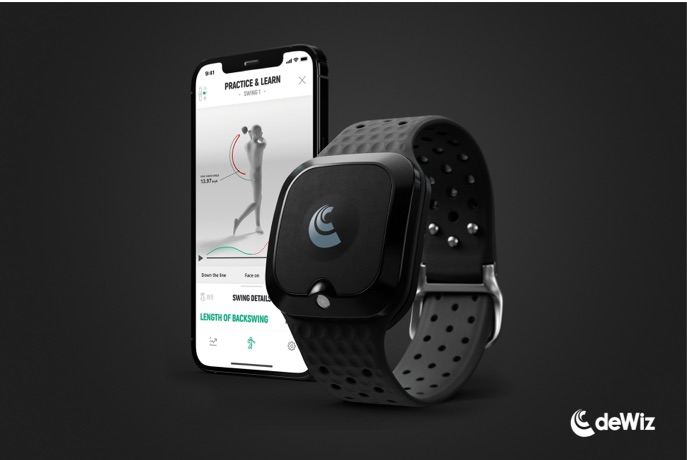
How can a wristband understand a golf swing and provide immediate feedback? As a technology partner, Svep has helped deWiz explore and develop the answer through algorithms, sensor technology, software and electronics.
Several years of development, numerous prototypes and testing with professional golfers contributed to a product that records the swing and gives feedback to the player. The technology behind deWiz includes solutions that have led to patents in motion tracking and real-time feedback. It is an example of how research into sensors, algorithms and human movement can be turned into a product.
Read about the development of deWiz →
Example of a granted patent: EP3588472B1
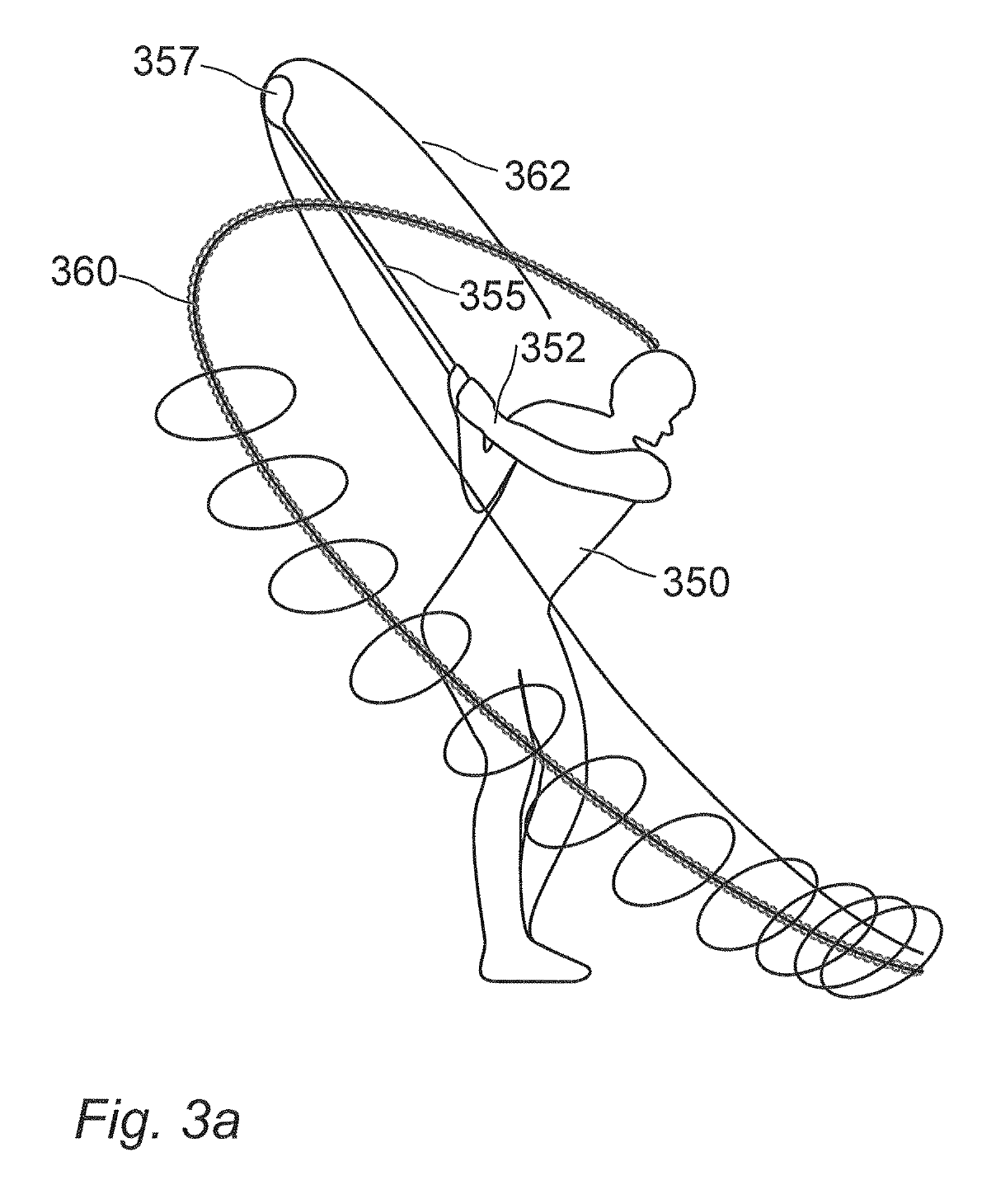
Svep helps you take a technical idea and develop a thorough foundation for a patent application. Together, we clarify what makes the solution distinctive and describe how it works. We contribute technical descriptions, drawings and examples that make the invention easier to understand.
We also help write the technical sections of the application and can work with your patent attorney on the supporting material for the patent claims. During the application process, we can explain the technology, answer technical questions and support the dialogue between the development team and the patent attorney.
Svep brings together expertise in AI, sensors, signal analysis, electronics, embedded software and testing. We can contribute to a focused research question or support the work as it progresses from experiment to prototype and product.
Tell us about your idea, your challenge or the technology you want to understand better. Together, we can define the question and plan a first step that produces useful knowledge.
Talk research with Svep